Metronidazole Gel for the Face: Uses, Application, and Safety
 h2>What Metronidazole Gel Is Used for on the Face
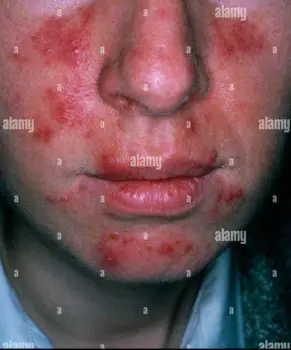
In the United States, prescription metronidazole topical gel USP 0.75% is indicated for the topical treatment of inflammatory papules and pustules associated with rosacea. These are the small, raised, inflamed bumps and pus-filled lesions that can occur with inflammatory rosacea.
The indication does not cover every type of facial redness, rash, acne, or suspected skin infection. A facial condition may look similar to rosacea without being rosacea, so the diagnosis matters before treatment begins. Metronidazole gel should not be used simply because a rash appears inflamed or because metronidazole is also available as an oral medicine.
Topical metronidazole is applied to the skin. It is different from oral metronidazole in how it is used and should not be assumed to have the same exposure, effects, or interaction risks. The gel is for external use and is not intended for use in the eyes.
Concentration and instructions can vary among products. The directions described for the referenced 0.75% gel should not automatically be transferred to a different strength, brand, or formulation. Check the strength on your tube and follow the prescription label supplied for that product. If the directions are unclear, ask the prescriber or pharmacist rather than adjusting the regimen yourself.
How It Helps Inflammatory Rosacea
The precise way topical metronidazole helps rosacea is not established. The prescribing information states that its effects appear to include an anti-inflammatory action, but it does not establish that the medicine works by treating rosacea as a bacterial infection.
That distinction is important. Rosacea can include inflammatory bumps and pustules, but the verified indication is not based on labeling rosacea as a simple facial infection. Metronidazole gel should therefore be understood as a prescription treatment aimed at the inflammatory features of rosacea, not as a general-purpose antibacterial treatment for any facial lesion.
The treatment target is primarily the inflammatory papules and pustules. Those features may improve without every aspect of rosacea changing in the same way. The indication does not support promising complete removal of persistent background redness or other facial changes that may accompany rosacea.
Response also varies by product, diagnosis, and individual circumstances. A clinician can determine whether the lesions being treated match the approved indication and whether the response is consistent with the expected treatment target. If the face becomes more inflamed, the diagnosis is uncertain, or the prescribed treatment does not appear to be helping, contact the prescriber rather than assuming that a stronger or more frequent application is needed.
Metronidazole Gel for Rosacea
Rosacea, Acne, and Facial Infections: Key Differences
Inflammatory rosacea can produce bumps and pustules that resemble acne. Other facial conditions can also cause redness, swelling, scaling, or drainage. Because these conditions may look alike, appearance alone does not establish whether a person has rosacea, ordinary acne, or a facial infection.
The verified US indication for the referenced 0.75% gel is inflammatory papules and pustules of rosacea. It is not an approved treatment for ordinary acne, every facial rash, or an unspecified skin infection. Using it on an undiagnosed condition may delay the evaluation or treatment that condition requires.
The word 'antimicrobial' can also create confusion. Although metronidazole is used in other medical contexts, that does not mean topical metronidazole gel is appropriate for every infection or that a facial eruption is caused by bacteria. The mechanism of benefit in rosacea remains uncertain, and rosacea should not be reduced to a simple bacterial infection.
A clinician may need to assess the pattern, duration, and appearance of the facial changes before deciding whether metronidazole gel is suitable. Seek professional guidance when the diagnosis is uncertain, when symptoms differ from the usual pattern of the condition being treated, or when the skin is worsening instead of improving. Do not repurpose leftover gel for a new rash or share it with another person.
How to Apply Metronidazole Gel Safely
For the referenced metronidazole topical gel USP 0.75%, the label directs patients to cleanse the affected area, then apply and rub in a thin film over the entire affected area twice daily, in the morning and evening. This schedule is specific to that 0.75% product. A different concentration, brand, or formulation may have different instructions, so the strength and directions on your own prescription take priority.

Wash your hands before and after applying the gel unless the hands are the treatment area. Use it only on the skin and avoid contact with the eyes. The product is not for ophthalmic use, and eye contact has been associated with tearing. If it gets into the eyes, follow the product instructions or contact a pharmacist or healthcare professional for advice.
Do not independently increase the amount, apply it more often, or change the treatment schedule to obtain faster results. If irritation develops, discuss the problem with the prescriber before changing how you use the medicine. The label permits cosmetics to be used after applying the gel, but it does not specify a universal waiting interval.
The referenced 0.75% gel should be stored at room temperature between 20 and 25 degrees Celsius (68 and 77 degrees Fahrenheit). Check the storage instructions for your own product, particularly if the formulation or manufacturer differs.
What Results to Expect and How to Assess Treatment
Metronidazole gel is intended to treat the inflammatory papules and pustules of rosacea. Assessing treatment therefore involves observing whether those bumps and pustules are changing, rather than expecting every type of redness or every visible feature of rosacea to disappear.
The available product information does not establish a universal time when improvement begins, a fixed time for full response, a guaranteed percentage of improvement, or one treatment duration that applies to everyone. Avoid judging the medicine by an unsupported timetable, and do not extend, stop, taper, or alter treatment without product-specific guidance.
Keep track of whether the inflammatory lesions are improving, staying the same, or worsening. A clinician can use that information, along with an examination, to decide whether the diagnosis remains appropriate and whether the treatment plan should continue or change.
Contact the prescriber if symptoms worsen, if irritation becomes difficult to tolerate, or if there is no meaningful improvement. Lack of response does not necessarily mean that applying more gel will help. It may indicate that the diagnosis, formulation, or treatment plan needs professional review.
Side Effects, Precautions, and Interactions
Reported effects with topical metronidazole include burning, skin irritation, dryness, and temporary redness. Other reported effects include a metallic taste, nausea, and tingling or numbness of the extremities. These reports do not establish that every effect is common or that every symptom is caused by the medicine.
Avoid getting the gel in the eyes because tearing has been reported. If a local reaction suggesting irritation develops, contact the prescriber. The product information allows for reducing application frequency or discontinuing treatment in response to irritation, but that change should be directed through the prescriber rather than treated as a universal self-management rule.
The referenced product is contraindicated in people with a history of hypersensitivity to metronidazole, parabens, or another ingredient in that formulation. Review the ingredients with a healthcare professional if you have had a previous reaction to this medicine or to a product component.
Interaction information also needs to be interpreted narrowly. Oral metronidazole has been reported to increase the anticoagulant effect of coumarin and warfarin and to prolong prothrombin time. The effect of topical metronidazole on prothrombin time is unknown. This does not establish that topical and oral metronidazole have identical interaction risks, but people using warfarin or another anticoagulant should discuss the gel with their clinician.
Additional guidance is important for people with evidence or a history of a blood disorder, because the referenced label advises care in that situation. Safety and effectiveness in children have not been established for this product. The label also reports no experience in pregnant patients and says the gel should be used during pregnancy only if clearly needed. For breastfeeding, the decision involves weighing whether to discontinue nursing or discontinue the drug in light of its importance to the mother. Pregnancy and breastfeeding do not automatically prohibit treatment, but they require individualized clinical advice.
When to Contact a Healthcare Professional
Contact the prescriber if facial irritation persists, becomes more severe, or interferes with continued use. Burning, dryness, redness, or other local effects should be discussed rather than managed by independently changing the frequency or amount. Worsening facial symptoms or a lack of improvement also warrants review.
Seek prompt medical guidance for a reaction that could indicate hypersensitivity, particularly if symptoms appear soon after application or involve more than expected local irritation. New tingling or numbness should also be reported, because these symptoms are included among reported adverse experiences with topical metronidazole and need individual assessment.
Ask a healthcare professional to review the treatment if you are not sure that the facial condition is rosacea. A diagnosis that is uncertain, changing, or not responding as expected may require a different evaluation rather than repeated use of the same gel.
Discuss the medicine with a clinician before use during pregnancy or breastfeeding, in a child, or when there is evidence or a history of a blood disorder. People taking warfarin or another anticoagulant should also raise the treatment with the prescriber because the effect of topical metronidazole on prothrombin time is not known. Verify the product strength and directions whenever a prescription is renewed or changed, since instructions for the 0.75% gel should not be assumed to apply to every metronidazole formulation.
Prescription metronidazole topical gel USP 0.75% is used on the face for inflammatory papules and pustules of rosacea. It is not approved for ordinary acne, every facial redness or rash, or unspecified skin infections, and a proper diagnosis matters before use. The exact way it helps rosacea is not established; the product information describes an anti-inflammatory effect rather than treating rosacea as a simple bacterial infection.
The usual directions for the referenced 0.75% gel are to cleanse the affected area and apply a thin film twice daily in the morning and evening, but other strengths or formulations may differ, so the prescription label should be followed. Use it only on the skin, wash hands before and after unless treating the hands, and avoid the eyes. Do not increase the amount or frequency to speed results. Treatment is assessed mainly by changes in inflammatory bumps and pustules, not by disappearance of all rosacea features; there is no established universal timeline.
Reported side effects include burning, irritation, dryness, temporary redness, metallic taste, nausea, and tingling or numbness. Eye contact has been associated with tearing. It is contraindicated with known hypersensitivity to metronidazole, parabens, or another ingredient. Topical metronidazole's effect on prothrombin time is unknown, so people on warfarin or other anticoagulants should discuss it with a clinician. Caution is advised with blood disorders; safety and effectiveness in children have not been established. Use during pregnancy only if clearly needed, and breastfeeding requires individualized advice. Contact the prescriber for worsening symptoms, difficult irritation, uncertain diagnosis, or lack of meaningful improvement.
Publishing organization: MedlinePlus, U.S. National Library of Medicine
Publishing organization: National Health Service
Questions and comments
Please do not include passwords, medical record numbers, insurance information, financial information, precise addresses, or other confidential or directly identifying information in your message.