Is Bio-Oil Good for Your Face? Benefits, Risks, and Use
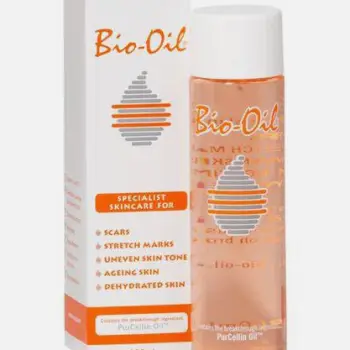 h2>1. Short answer: Can Bio-Oil be used on the face?
Bio-Oil can be used on facial skin by some people, but it is not universally suitable. Whether it is reasonable to try depends on your skin type, sensitivity to fragrance, and the concern you want to address.
Bio-Oil is a branded cosmetic oil marketed to improve the appearance of scars, stretch marks, and uneven skin tone. It may make skin feel softer and may improve the visible appearance of some marks, but it is not a proven treatment for every facial concern. It should not be treated as a way to prevent all breakouts, treat active acne, remove pitted scars, or permanently lighten skin.
The product contains fragrance-related botanical ingredients, so people with sensitive or fragrance-reactive skin may be more likely to experience irritation. Its evidence for facial benefits is also limited. Small manufacturer-associated studies reported improvements in scar appearance and uneven tone, but those findings need cautious interpretation and independent confirmation.
If you decide to try it, use it only on intact skin, introduce it cautiously, and stop if redness, itching, swelling, burning, or a worsening rash develops.
2. What Bio-Oil is and what it contains
Bio-Oil is a topical cosmetic oil, not a dietary oil, nutrition product, or ingestible supplement. It is marketed for improving the appearance of scars, stretch marks, and uneven skin tone.
The supplied sources describe it as containing several ingredient categories:
- Plant oils and botanical extracts
- Vitamin A in the form of retinyl palmitate
- Vitamin E, also called tocopherol
- Fragrance-related botanical ingredients, including calendula, lavender, rosemary, and chamomile
The presence of vitamin A does not mean Bio-Oil has the same strength, purpose, or effects as a prescription retinoid. Retinyl palmitate should not automatically be treated as interchangeable with prescription retinoid treatment. The inclusion of vitamin E or plant extracts does not establish that the product will correct a particular skin condition.
Fragrance ingredients, including linalool, may be relevant for people who are allergic or sensitive to fragrance or essential-oil ingredients. Checking the current product label is important because formulations and labeling can vary by market.
Bio-Oil is also different from baby oil. They are separate product categories and should not be assumed to have the same ingredients, intended uses, fragrance profile, or evidence.
Bio-Oil on the Face: What's True and What's Not
3. What facial concerns might it help improve?
Bio-Oil may help some skin feel softer and less dry because an oil can leave a smoothing layer on the surface. This is a cosmetic effect and does not necessarily mean that the product has repaired the skin or changed its underlying structure.
Some people use it to improve the appearance of scars or post-acne marks. The available manufacturer-associated studies reported improvements in the appearance and color of some acne scars and in uneven facial pigmentation. These findings do not mean that Bio-Oil removes scars. They also do not show that it works equally well for every type of mark.

Raised or discolored scars are different from pitted acne scars. A topical cosmetic oil should not be expected to fill depressions in the skin or reverse deeper structural changes. Bio-Oil is not established as a treatment for active acne or as a reliable way to prevent breakouts.
By making skin look smoother or less dry, an oil may temporarily soften the appearance of fine lines that are partly emphasized by dryness. That is different from proving a lasting reduction in wrinkles.
Improving the appearance of a mark is also different from permanently changing a person's natural skin tone. Cosmetic claims should therefore be interpreted as possible changes in visible appearance, not guaranteed treatment outcomes.
4. What the evidence does-and does not-show
The available evidence for Bio-Oil on the face is limited. A small manufacturer-associated study described improvements in acne-scar appearance and color among its participants. Because the study included only 32 people, was associated with the product manufacturer, and may not represent the wider population, its findings should not be treated as a universal result.
Another manufacturer-associated study reported improvements in uneven skin tone and facial pigmentation after 12 weeks. The supplied source noted that independent confirmation was still needed. Results from a manufacturer-associated study may be affected by study design, participant selection, reporting, or other factors that independent research can help evaluate.
Cosmetic appearance outcomes also require careful interpretation. A mark may look different under varying lighting, hydration, or evaluation methods, without the underlying scar or pigmentation being eliminated. A reported improvement in appearance does not establish that the product treats the cause of the concern.
These studies do not prove that Bio-Oil treats active acne, prevents breakouts, removes pitted scars, or permanently changes pigmentation. They also do not establish that every user will experience a visible benefit. Limited study size, manufacturer association, participant differences, and the need for independent replication all support modest expectations.
5. Is Bio-Oil suitable for different skin types?
Suitability varies by skin type and individual tolerance.
- Dry skin: Bio-Oil may reduce the feeling of dryness by leaving an occlusive layer that helps limit surface water loss. It does not supply the same kind of water-based hydration as a facial moisturizer.
- Combination skin: Some people may prefer applying an oil only to drier areas rather than across the entire face.
- Oily or acne-prone skin: The product may feel greasy or may worsen breakouts for some users. A non-comedogenic claim, where present, does not guarantee that every acne-prone person will tolerate it.
- Sensitive or fragrance-reactive skin: Fragrance and botanical ingredients may increase the chance of irritation or an allergic reaction in susceptible people.
An oil can soften the skin's surface, but it is not automatically a complete moisturizer and does not guarantee improved barrier function. The practical question is not simply whether the product is labeled for facial use, but whether your skin tolerates its specific formulation.
Anyone with a history of reactions to fragranced products should be especially cautious. Trying a small amount on a limited area first can help identify obvious irritation before applying the product more broadly. Stop if a reaction develops rather than continuing in the hope that the skin will adjust.
6. How to use Bio-Oil safely in a facial routine
If you choose to try Bio-Oil, apply a small amount to clean, intact skin and introduce it gradually. It can be used after a moisturizer or another hydrating step if you want an oil to soften the surface and help reduce water loss. It should not automatically replace a water-based facial moisturizer.
Patch testing can help identify obvious irritation before wider facial use. Apply a small amount to a limited area and observe how the skin responds. Stop if you develop redness, itching, swelling, burning, or a worsening rash.

Keep the product away from the eyes and do not swallow it. Do not apply it to cracked, bleeding, or broken skin. Avoid using it over skin that is seriously inflamed or otherwise damaged.
There is no universally established schedule that everyone needs to follow, and more frequent application is not automatically better. Use should be guided by tolerance and the product label rather than by a guaranteed timeline for results. If the concern is persistent acne, a painful scar, or a changing pigmentation problem, a cosmetic oil may not address the underlying issue.
7. Possible irritation, breakouts, and situations to avoid
Bio-Oil contains fragrance-related and botanical ingredients that may cause problems for people who are sensitive or allergic to fragrance or essential-oil ingredients. Possible warning signs include itching, redness, burning, swelling, or a rash. Stop using the product if these symptoms appear.
An oil-heavy product may also feel greasy or contribute to breakouts in some people, particularly if it does not suit their skin. Even if a product carries a non-comedogenic claim or has been evaluated in a small product study, that does not guarantee that every oily or acne-prone person will tolerate it.
Do not use Bio-Oil on cracked, bleeding, or broken skin. It is also not appropriate to rely on it for painful or cystic acne, bleeding or oozing skin, or painful, broken, or bleeding acne scars. These problems may need medical assessment rather than cosmetic self-treatment.
Mild cosmetic discomfort should not be ignored if it persists or worsens. Severe swelling, a widespread rash, oozing, painful acne, or continuing deterioration are reasons to stop self-use and seek professional advice. The product should not be swallowed, and it should not be treated as a substitute for evaluation of an unexplained or changing skin problem.
8. Bio-Oil versus baby oil and facial moisturizers
Bio-Oil and baby oil are different products. Baby oil should not be assumed to have the same ingredients, fragrance profile, intended use, or evidence as Bio-Oil. The fact that both are oils does not make them interchangeable for facial care.
Bio-Oil is a branded cosmetic formulation containing plant oils or extracts, retinyl palmitate, tocopherol, and fragrance-related botanical ingredients described by the supplied sources. Baby oil is a separate product category, so its formulation must be checked on its own label.
A facial moisturizer generally combines water with ingredients that soften the skin and help reduce water loss. An oil mainly softens the surface and helps form a layer that can reduce surface water loss. Bio-Oil may be an optional addition for someone who likes its texture, but it is not automatically a replacement for a moisturizer.
It is also not a replacement for sunscreen, acne treatment, or prescribed retinoids. The most suitable choice depends on the product's ingredients, the person's skin needs, and how the skin responds. No one product is universally best for every face.
9. When to seek professional advice
A dermatologist or other clinician is more appropriate than cosmetic self-treatment when acne is painful or cystic, skin is bleeding or oozing, or scars are painful, broken, or bleeding. These symptoms may require assessment rather than an oil intended to improve appearance.
Seek advice for a severe reaction, such as marked swelling or a widespread rash, especially if symptoms continue after stopping the product. Persistent worsening also warrants evaluation.
Professional advice can be useful when pigmentation changes persist, spread, or are difficult to explain. Not every dark mark is the same, and a cosmetic product cannot establish the cause of a change in skin color.
Scars that cause pain, repeated irritation, or significant distress may also benefit from assessment. A clinician can determine whether the concern is suitable for cosmetic care or needs a different approach. Avoid applying Bio-Oil to infected, seriously inflamed, bleeding, or broken skin while waiting for evaluation.
10. Frequently Asked Questions
Can Bio-Oil be used daily?
Some people may tolerate regular use, but there is no universal schedule that is necessary or ideal for everyone. Introduce it gradually and stop if irritation or worsening breakouts develop.
Can Bio-Oil replace moisturizer?
Not usually as a complete substitute. Bio-Oil is an oil, while a facial moisturizer generally supplies water as well as emollient or occlusive ingredients. Bio-Oil may be used as an optional additional step if the skin tolerates it.
Is Bio-Oil suitable for oily or sensitive skin?
It may not suit everyone with oily, acne-prone, sensitive, or fragrance-reactive skin. It can feel greasy or worsen breakouts for some people, and its fragrance-related ingredients may irritate susceptible skin. Patch testing and cautious use are appropriate.
Can Bio-Oil remove acne scars?
No. Limited manufacturer-associated studies reported improvements in the appearance and color of some scars, but this is not proof that Bio-Oil removes scars. It should not be expected to correct pitted scars or treat active acne.
How is Bio-Oil different from baby oil?
They are different products with potentially different ingredients, uses, fragrance profiles, and evidence. Do not assume that baby oil has the same facial effects or formulation as Bio-Oil.
Bio-Oil can be applied to facial skin for some people, but it is not universally appropriate. It may soften the skin's surface and modestly improve the visible appearance of certain scars, post-acne marks, or uneven pigmentation, but the evidence comes from small manufacturer-associated studies and has not been independently confirmed. The product does not treat active acne, fill pitted scars, permanently change skin tone, or replace a water-based moisturizer or prescription retinoid.
People with dry skin may find the occlusive layer helpful, whereas those with oily, acne-prone, or fragrance-sensitive skin are at higher risk of greasiness or irritation. The oil contains plant extracts, retinyl palmitate, vitamin E and fragrance-related botanicals, so patch testing on a small area is advised. Use only on clean, intact skin, avoid eyes and broken or inflamed areas, and discontinue if redness, itching, swelling, burning, or worsening rash occurs. Seek professional advice for painful or cystic acne, bleeding/scabbed skin, or persistent pigment changes.
Publishing organization: Bio-Oil
Publishing organization: American Academy of Dermatology
Publishing organization: U.S. Food and Drug Administration
Questions and comments
Please do not include passwords, medical record numbers, insurance information, financial information, precise addresses, or other confidential or directly identifying information in your message.