How to Choose the Best Multivitamin for Women Over 50 in the UK
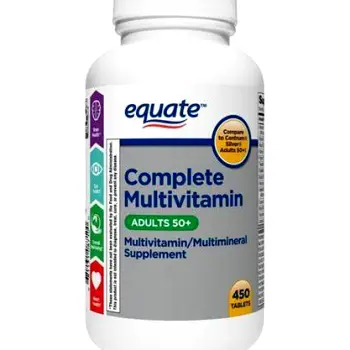 h2>Is There One Best Multivitamin for Women Over 50?
No single multivitamin can reasonably be called the best choice for every woman over 50 in the UK. The suitable formula depends on diet, medicines, health conditions, whether periods are continuing, and whether a particular nutrient gap has been identified.
The words '50+' or 'women's formula' are useful starting points, but they do not establish that a product is appropriate. Compare the actual ingredient list, amounts per daily serving, recommended dose, warnings and suitability for your diet and medicines. A product with more ingredients is not automatically a better match.
UK food supplements are regulated as food rather than medicines. They are intended to supplement the normal diet, not to diagnose, treat or prevent medical conditions. This UK framework is different from US supplement labelling and regulation, so US Daily Values, rankings and certification claims should not be used as the main basis for comparing products available in Britain.
A sensible choice is therefore one that fits a clearly understood purpose without creating unnecessary duplication or safety concerns. For some women, that may be a broad, moderate formula. For others, food changes or a targeted supplement may be more appropriate. If regular medicines, a restricted diet, gastrointestinal problems or suspected deficiency are involved, professional advice is more useful than relying on age-based marketing.
What a Multivitamin Can and Cannot Do
A multivitamin can provide several vitamins and minerals in one product and may help cover gaps in an otherwise ordinary diet. Its role is supplementary: it adds nutrients to dietary intake rather than replacing food. UK labels must state that a food supplement is not a substitute for a varied diet.
It should not be viewed as a general treatment for tiredness, poor concentration, reduced immunity, menopause symptoms or other health concerns. Food supplements are not medicinal products intended to treat or prevent disease, and UK claims cannot state or imply that a product treats, prevents or cures a disease or medical condition.
A multivitamin also cannot replace the wider nutritional value of meals. It does not supply the complete combination of protein, fibre, fluids and energy provided by food, and taking one does not compensate for a consistently limited diet. Nor does a long ingredient list prove that a product will improve health or provide benefits beyond correcting an actual dietary shortfall.
If persistent symptoms or a suspected deficiency are present, choosing a multivitamin should not delay appropriate assessment. A supplement may be relevant after the likely need has been considered, but it is not a substitute for finding out why symptoms are occurring.
Choosing a Multivitamin After 50
Nutrients to Check on the Label After 50

Vitamin D, calcium and vitamin B12 are useful examples to review on a UK multivitamin label, although not every woman over 50 needs all three as supplements.
UK guidance states that adults need 10 micrograms of vitamin D a day and should consider a daily supplement containing this amount during autumn and winter. People with little or no sun exposure, and people with dark skin who may not make enough vitamin D from sunlight, should consider that amount throughout the year. This does not mean that a multivitamin with a higher amount is automatically better. Check the total from all products, particularly if vitamin D is also taken separately.
The UK reference intake for calcium for adults is 700 mg per day. This is a total daily intake from food and supplements, not a direction to obtain 700 mg from a tablet. Many people can meet it through an appropriate diet, so the calcium amount in a multivitamin should be considered alongside usual food intake rather than viewed in isolation.
Vitamin B12 deserves attention when diet or absorption may be an issue. Reduced levels can be associated with stomach surgery, gastrointestinal conditions such as Crohn's disease, and medicines including proton pump inhibitors and metformin. Age alone does not establish that a B12 supplement is needed, and a label review cannot replace personalised assessment where deficiency is suspected.
Iron: When an Iron-Free Formula Makes Sense
Many multivitamins aimed at older women contain little or no iron because the UK reference intake is lower for women aged 50 and over than for younger women. The reference intake is 8.7 mg a day for women aged 50 and over, compared with 14.8 mg for women aged 19 to 49.
That difference does not create a universal rule. Being over 50 does not prove that periods have stopped, and women who continue to menstruate after 50 may need the younger-age reference amount. Heavy periods also increase the risk of iron-deficiency anaemia. These factors can make an iron-free formula less suitable for one person and a formula containing iron more relevant for another.
Iron should not be selected solely because of tiredness or another nonspecific symptom. Those symptoms do not establish iron deficiency, and adding iron without understanding the reason may be inappropriate. A diagnosed deficiency or ongoing heavy bleeding requires individual medical advice rather than a self-selected product based only on its age label.
When comparing formulas, check the actual iron amount instead of assuming that '50+' means iron-free or that iron-free means universally safer. The right choice depends on dietary intake, menstrual history and any clinical assessment that has already taken place.
How to Compare UK Multivitamin Labels
Use a consistent sequence rather than choosing the product with the longest ingredient list.
- Confirm that the package identifies the product as a 'food supplement' and provides a recommended daily dose and a warning not to exceed it.
- Check the amount of each nutrient per daily serving, not merely the amount per tablet or capsule. Review the percentage of the UK nutrient reference value where shown.
- Look for ingredient and allergen information, storage instructions, a date mark and the statement that the product is not a substitute for a varied diet.
- Compare the formula with every other supplement, fortified product or specialist preparation already being used. The same vitamin or mineral may appear in several products.
- Review warnings and the product's suitability for your dietary requirements, including any relevant allergens.
- Only after these checks compare tablet burden, ease of swallowing, cost per daily serving and availability.
The daily serving matters because a product requiring several tablets may provide a different total from one tablet, even when the front labels look similar. Cost per pack can also be misleading if serving sizes differ.
A '50+' label and an impressive number of ingredients do not demonstrate that the formula matches your needs. Nutritional fit, duplication and safety are more useful measures than marketing language.
Safety, Excess Intake and Medicine Interactions
More of a nutrient is not necessarily better. Before starting a multivitamin, add its amounts to those in separate vitamin, mineral or herbal products and check whether any nutrients are already supplied by prescribed supplements. Follow the product's recommended daily dose rather than increasing it because a label appears conservative.
For vitamin D, NHS guidance advises adults not to take more than 100 micrograms, or 4,000 IU, per day. This is a safety ceiling, not a recommended target. Prolonged excessive intake can cause calcium accumulation and harm the kidneys and heart. If prescribed colecalciferol is being taken, NHS guidance advises discussing any additional calcium or vitamin D supplements with a doctor first.
Warfarin requires a specific check: NHS advice says not to take vitamin K supplements and to tell a doctor about vitamins, supplements and herbal remedies before starting them. This warning should not be generalised to every anticoagulant in the same way, but anyone taking anticoagulant treatment should have the complete product checked.
People taking regular medicines or managing a health condition should show the full label, including inactive ingredients where relevant, to a pharmacist or clinician. Interaction concerns cannot be assessed reliably from the product name alone. Do not combine products simply because each appears suitable individually.
Food First or Multivitamin-or a Targeted Supplement?
These options serve different purposes. Improving food variety is the broadest approach when the diet is limited. A multivitamin may be reasonable when there are plausible, general dietary gaps but no clearly identified single-nutrient need. A targeted supplement is more appropriate when a particular requirement has been established through diet, circumstances or professional assessment.
Food can supply several nutrients together with protein, fibre and energy. Calcium, for example, can often be obtained through an appropriate diet, and the UK adult reference intake is 700 mg per day from total intake rather than from supplements alone. A broad multivitamin should not be used as a substitute for meals or as a way to replace protein and fibre.

Vitamin D is a distinct consideration in UK guidance: adults should consider a daily supplement containing 10 micrograms during autumn and winter, while people with little or no sun exposure and people with dark skin who may not make enough vitamin D from sunlight should consider that amount throughout the year.
A targeted product can avoid adding nutrients that are unnecessary or unsuitable, but it should not be chosen by guessing from symptoms. If diet is restricted, absorption may be affected, or a deficiency is suspected, a pharmacist, GP or dietitian can help determine whether a broad product, a targeted supplement or dietary changes make more sense.
When to Ask a Pharmacist, GP or Dietitian
Ask for personalised advice before buying a multivitamin if you take regular medicines, use warfarin, have gastrointestinal disease or have had gastrointestinal surgery. A restricted diet, persistent symptoms, suspected deficiency or uncertainty about combining several products are also reasons for a review.
A pharmacist is well placed to check the complete product against medicines, prescribed supplements and other over-the-counter products. Bring the packaging or a clear list of ingredients rather than relying on the product name. This is especially important when vitamin D, calcium or vitamin K is already being taken separately.

A GP can assess persistent symptoms or a possible deficiency and decide what clinical evaluation is appropriate. Symptoms such as tiredness should not be used to diagnose iron or B12 deficiency independently. A dietitian can examine dietary intake, restrictions and practical ways to meet nutrient needs through food, with supplements considered where appropriate.
A multivitamin should not delay assessment of ongoing symptoms, heavy bleeding, or concerns related to absorption. Professional review is also sensible when a supplement is being considered alongside prescribed colecalciferol or treatment with warfarin. The aim is not to find the most heavily marketed formula, but to choose an option-or no broad supplement-that fits the person's actual nutritional and medical context.
There is no single multivitamin that is best for every woman over 50; the suitable formula depends on diet, medicines, health conditions, menstrual status and any identified nutrient gaps. Multivitamins are supplements that add nutrients to the diet but do not replace food, treat disease, or compensate for a poor diet, and UK labels must state they are not a substitute for a varied diet. When choosing a product, examine the label for the type of supplement, recommended dose, nutrient amounts per serving, ingredient and allergen information, warnings, and suitability for your diet and medicines, and compare these details across products rather than relying on age-based marketing or ingredient count. Key nutrients to review include vitamin D (10 µg daily, especially in autumn/winter or with limited sun exposure), calcium (total 700 mg from food and supplements), vitamin B12 (particularly if absorption may be impaired), and iron (often unnecessary after 50 but may be needed if periods continue or heavy bleeding is present). Safety considerations include avoiding excess vitamin D (maximum 100 µg/day) to prevent kidney, heart and calcium-related issues, watching for interactions such as vitamin K with warfarin, and ensuring no duplicate nutrients from other supplements. People taking regular medicines, warfarin, gastrointestinal conditions, restricted diets, or experiencing persistent symptoms should consult a pharmacist, GP or dietitian before selecting a multivitamin, as professional assessment can prevent unnecessary supplementation and ensure safe, appropriate use.
Publishing organization: NHS
Publishing organization: NHS
Publishing organization: NHS
Publishing organization: British Dietetic Association
Questions and comments
Please do not include passwords, medical record numbers, insurance information, financial information, precise addresses, or other confidential or directly identifying information in your message.